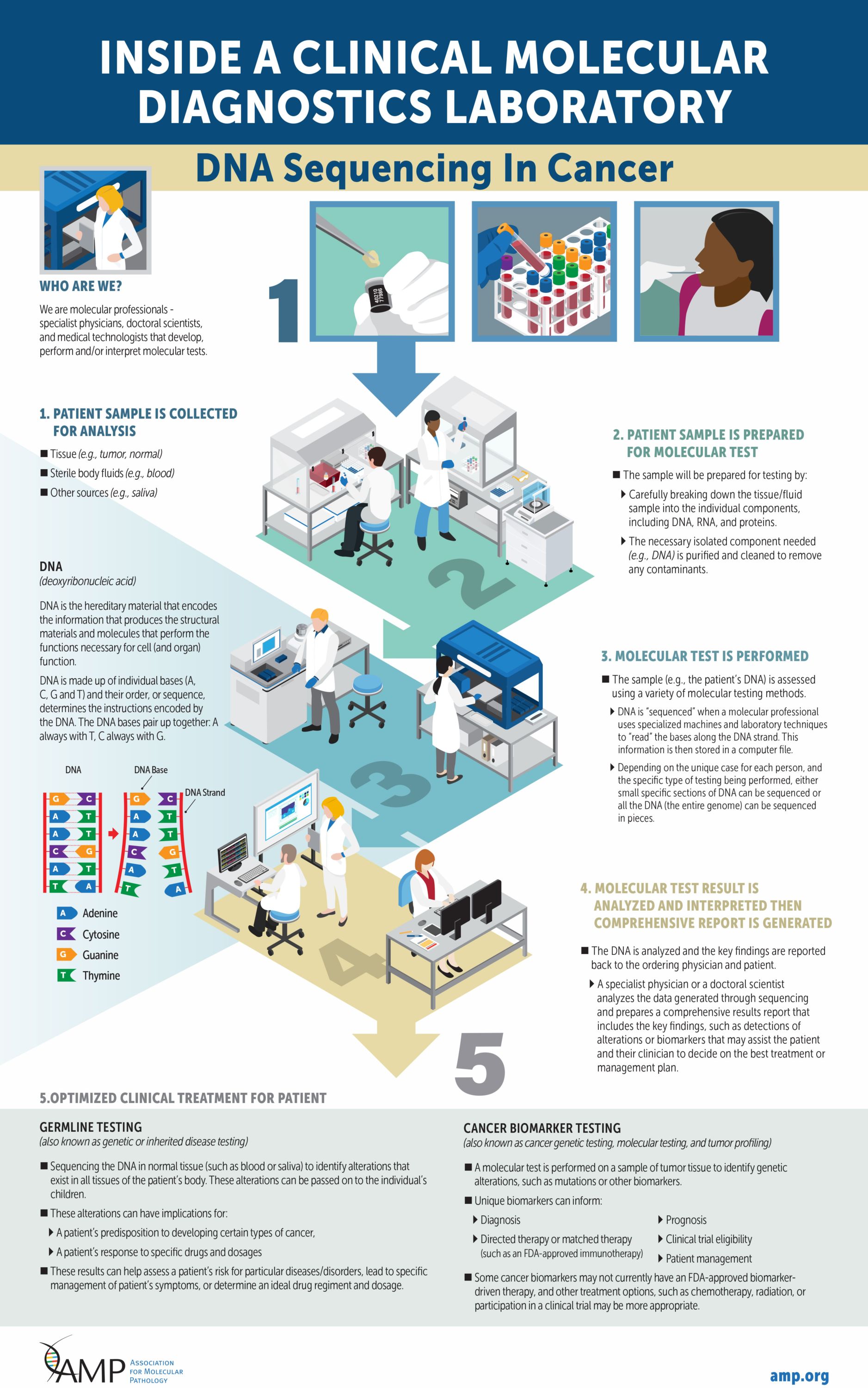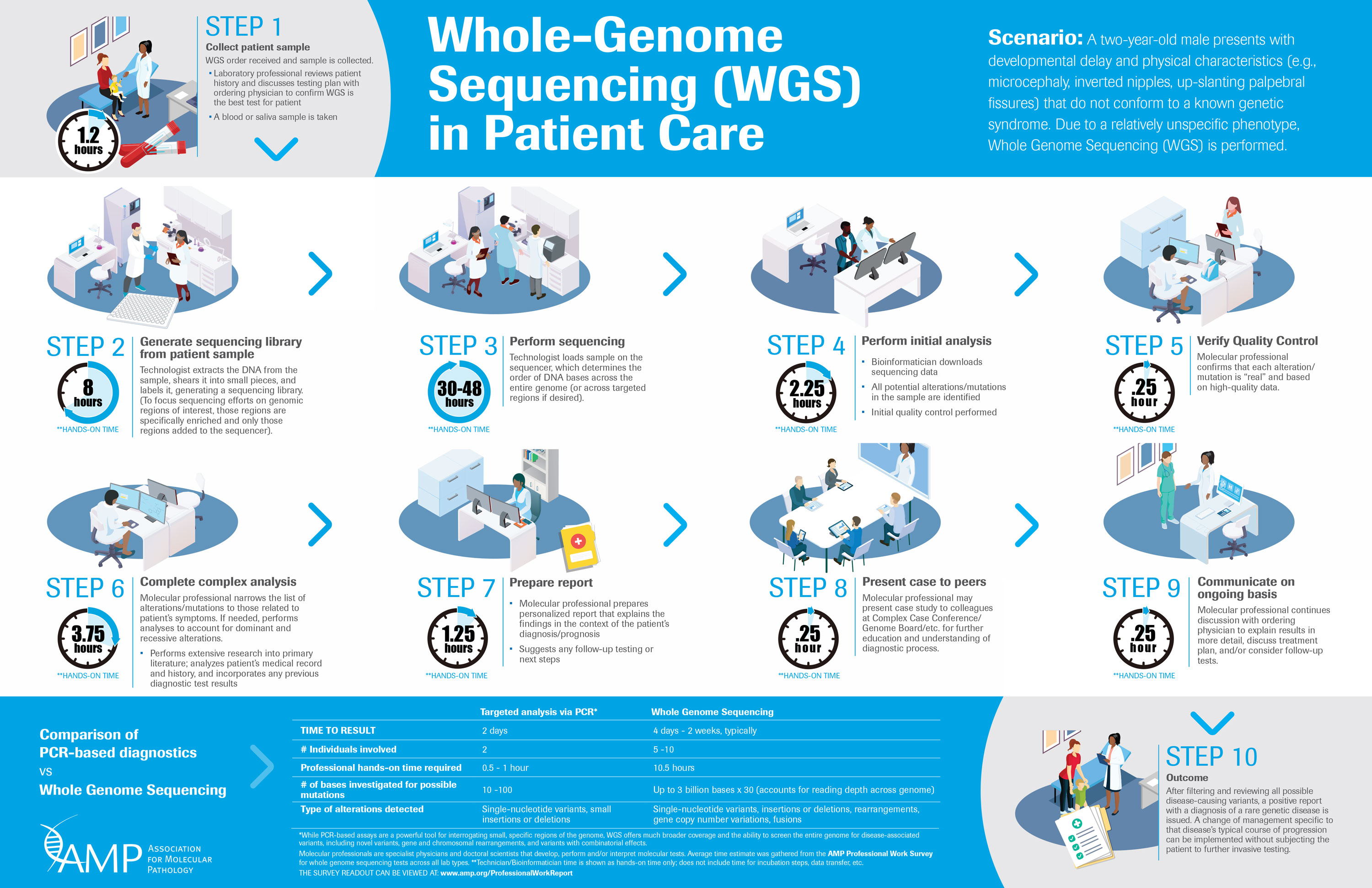
A patient’s journey to getting a diagnosis can be a long time coming. Learning how a molecular pathology and the laboratory works to provide testing helps patients understand more about their care. The graphic below is the first part of a continuing story that will share more about how the lab helps patients throughout their care.
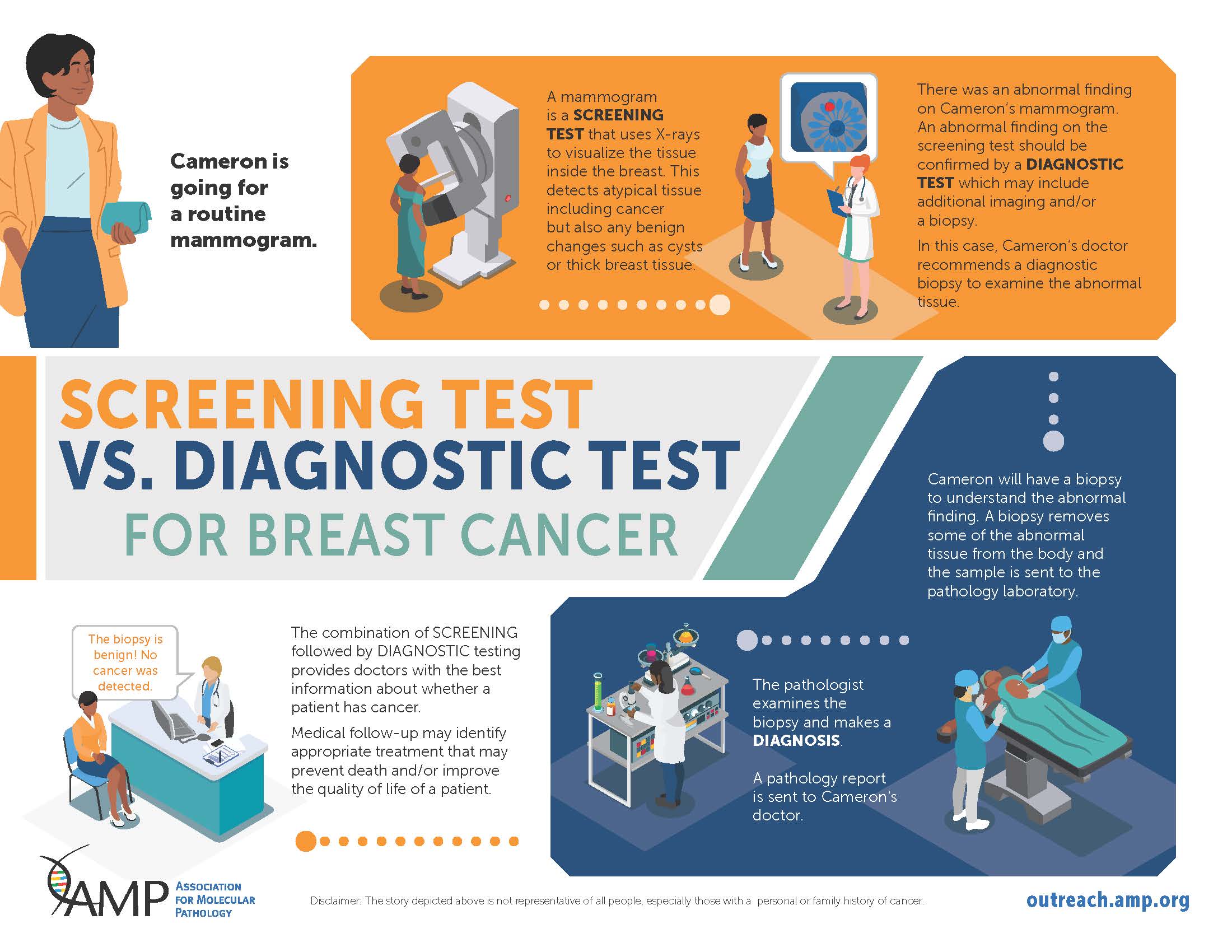
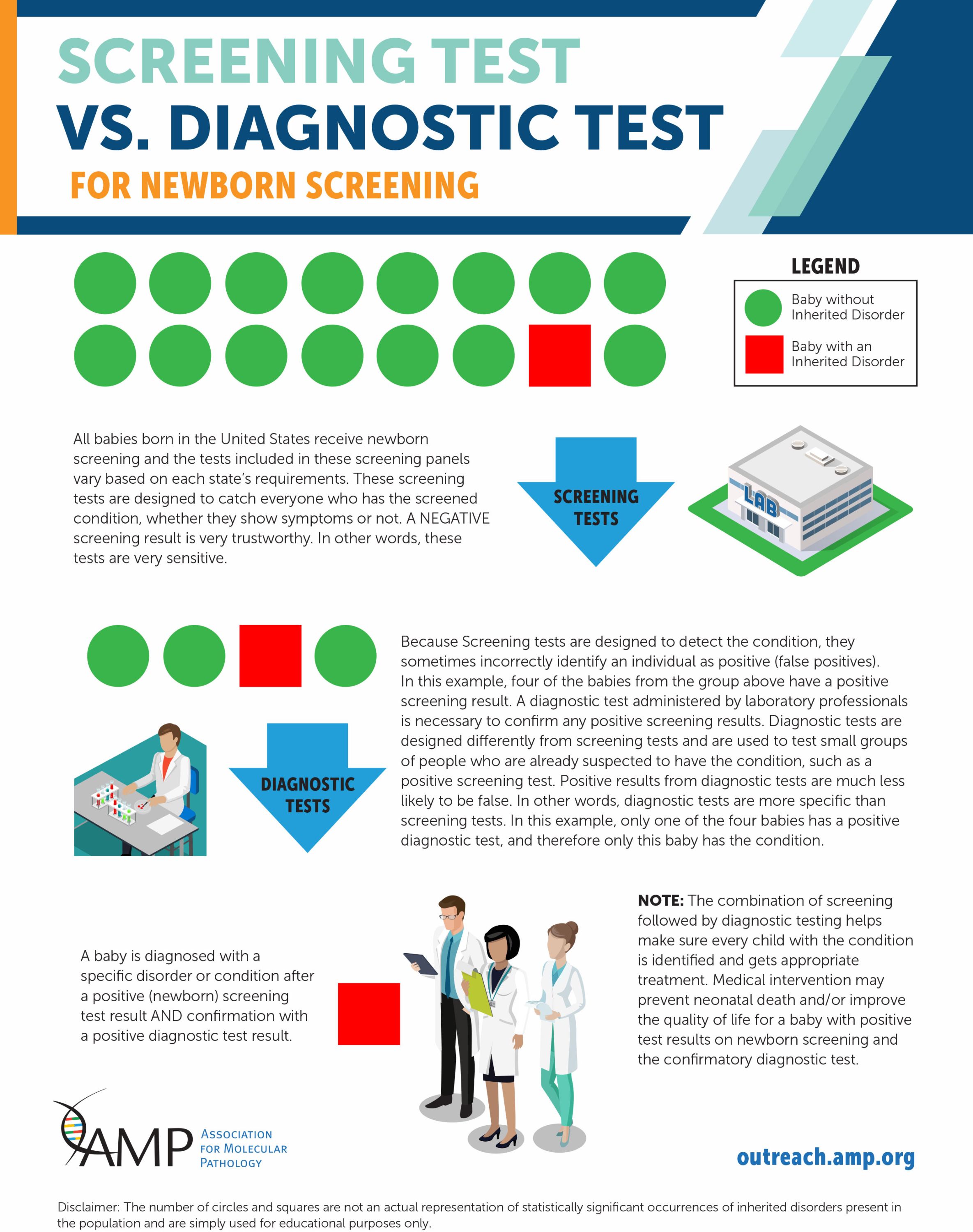
Understanding the difference between a screening test and a diagnostic test — for breast cancer, for example — can help you make better decisions about your health. This video explains how the two categories of tests vary.
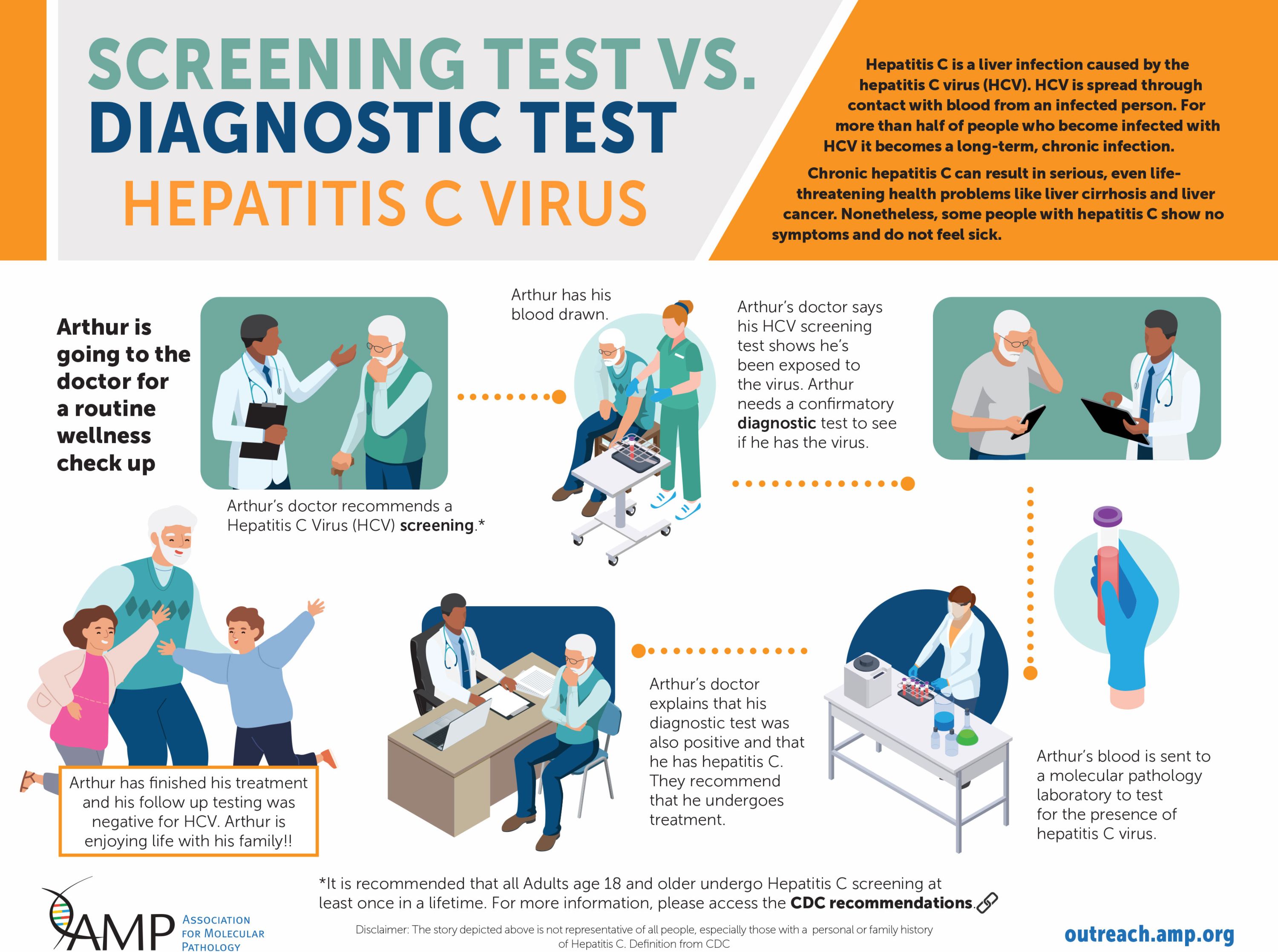
Hepatitis C can go undetected for decades before a patient may experience symptoms. Screening is important to find asymptomatic patients and improve the public's health. This video explains how screening and diagnostic testing for Hepatitis C works.
Hepatitis C is a liver infection caused by the hepatitis C virus (HCV). HCV is spread through contact with blood from an infected person. For more than half of people who become infected with HCV it becomes a long-term, chronic infection.
A mammogram is a screening test that uses X-rays to visualize the tissue inside the breast. An abnormal finding on the mammogram should be confirmed by a diagnostic test, which may include additional imaging and/or a biopsy.
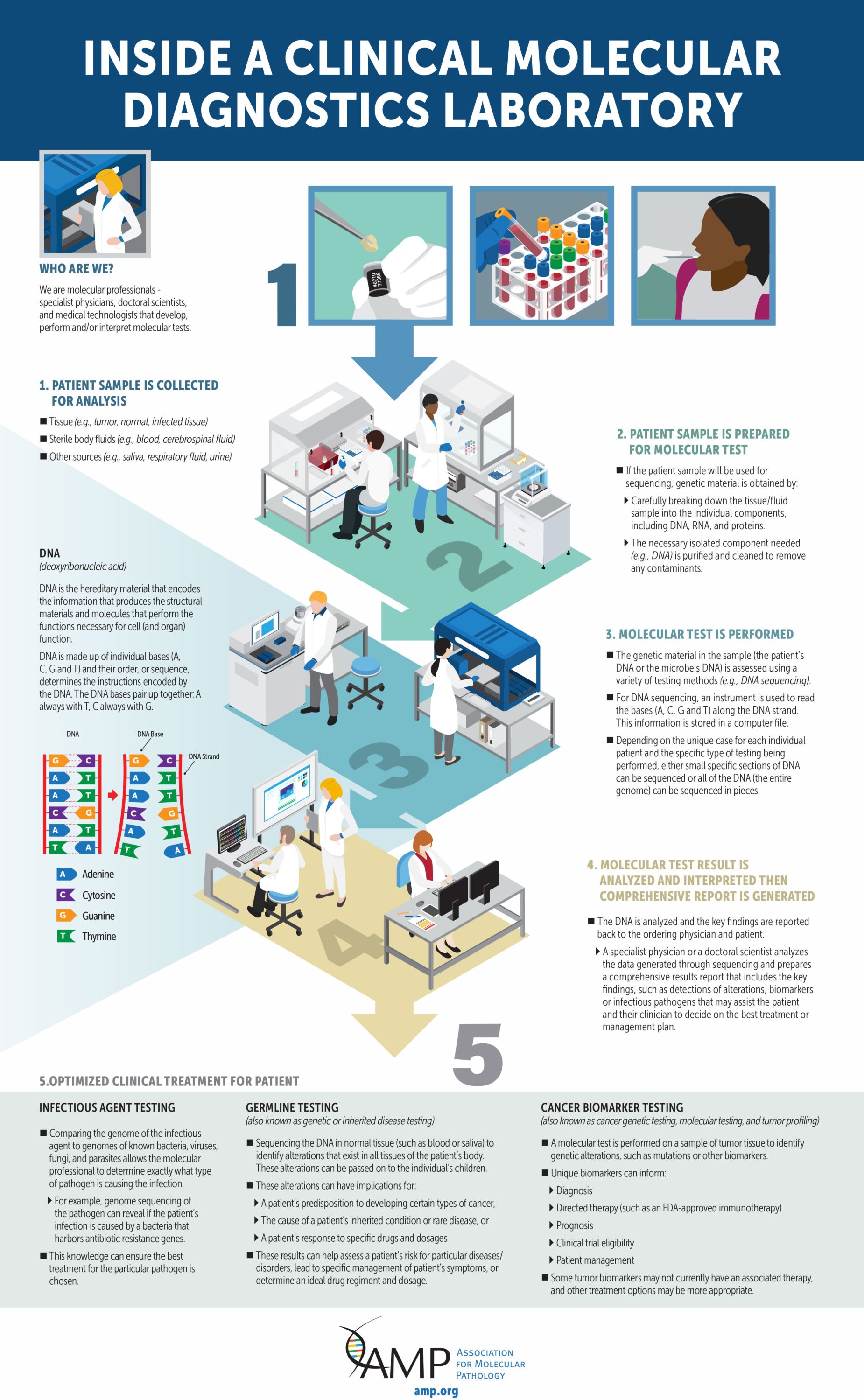
A molecular test looks for changes in DNA and/or RNA that provide information about your health. This video and PDF are about the process and the professionals who do molecular testing.
DNA is “sequenced” when a molecular professional uses specialized machines and laboratory techniques to “read” the bases along the DNA strand. Depending on the unique case for each person, and the specific type of testing being performed, either small specific sections of DNA can be sequenced or all the DNA (the entire genome) can be sequenced in pieces.
DNA sequencing in cancer is a way to look closely at the genetic instructions inside cancer cells to find changes or mutations that may be causing the cancer to grow.
Whole-genome sequencing reads all of a person’s DNA — like scanning an entire instruction manual — to find changes that might explain a disease or help guide treatment.
.jpg)